
10 Spring Cleaning Secrets Cleaners Don’t Tell You
By Shad, Bond Cleaner Townsville·Sponsored
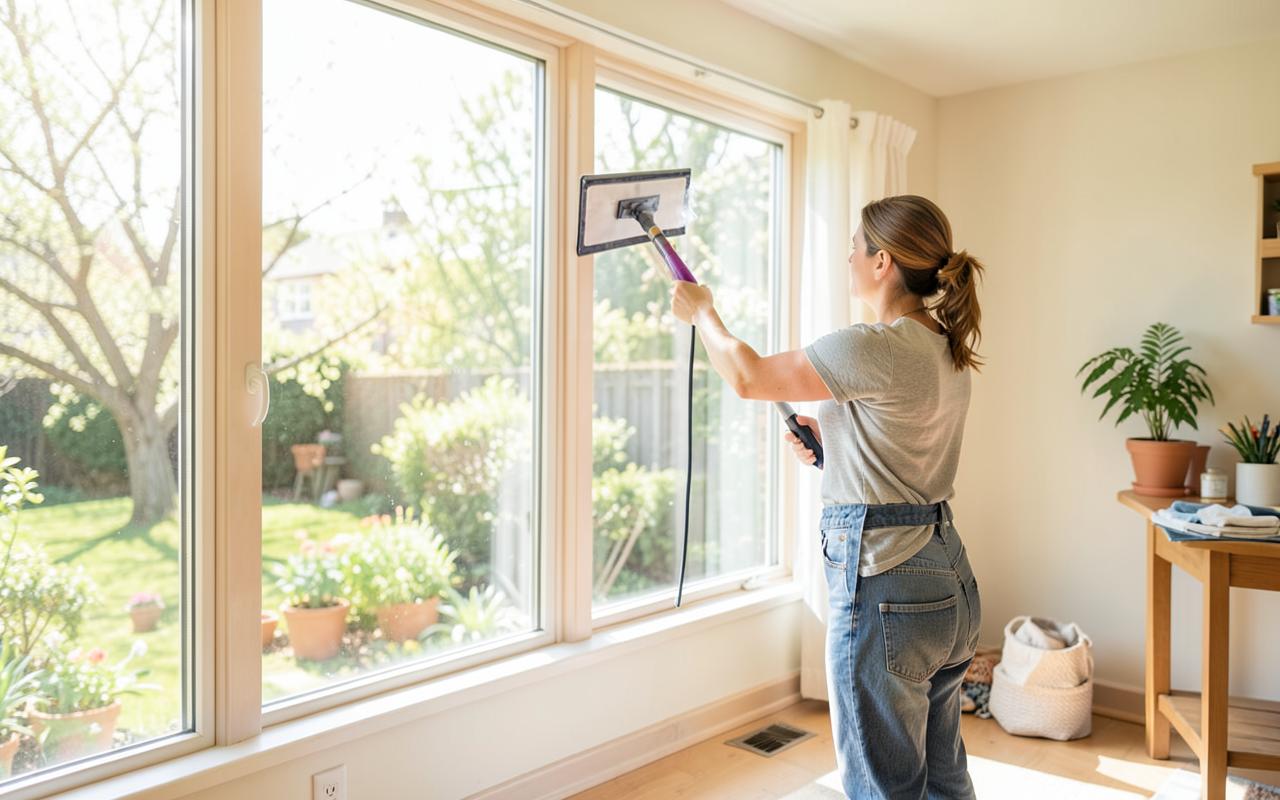
Every year around spring, most of us get that sudden burst of energy to open up the windows, pull out the mop, and finally tackle the dust sitting on top of the fridge. But after spending an entire Saturday scrubbing until your back aches, it’s frustrating when the house still doesn't look as sharp or stay clean as long as you'd like.
The truth is, professional cleaners don't have magical tricks or secret industrial potions. They just work smarter. They rely on simple physics, the right order of operations, and practical habits that cut labor time in half.
Whether you’re planning to roll up your sleeves yourself or bring in a local team to do the heavy lifting, here are ten trade secrets that will completely change how you tackle your home this season.
## 1. Top-to-Bottom, Left-to-Right (No Exceptions)
The single biggest mistake people make when cleaning their own home is jumping around at random. If you vacuum the carpet first and then dust the ceiling fan, guess where all that dust lands? Right back on the fresh carpet.
### Pros follow a strict rule every time they enter a room:
* Work high to low: Dust, cobwebs, and crumbs obey gravity. Start with light fixtures, fans, and top shelves, then work down to counters, and finish with the floors.
* Pick a corner and move left-to-right: Pick one point in the room and move in a single direction around the perimeter. It keeps you from missing spots and stops you from pacing back and forth across the room.
## 2. Let the Spray Do the Heavy Scrubbing
If you spray a counter and immediately start wiping, you’re making your arms do all the hard work while throwing product down the drain.
Cleaning solutions need dwell time. Whether you’re dealing with bathroom soap scum or kitchen grease, the chemicals need a few minutes to break down the grime on a molecular level.
* Try this instead: Spray down your shower walls, bath, and kitchen counters first. Then leave the room for 5 to 10 minutes to grab a coffee or empty the bin. When you come back, the grime will wipe off with a fraction of the effort.
## 3. Never Put Liquid on Loose Dust
Wiping down dusty baseboards or window sills with a wet cloth immediately turns the dust into mud. It smears into cracks and takes three times longer to clean up.
Before you get anything wet, use a dry microfiber cloth, a static duster, or your vacuum brush attachment to pull away all the loose hair, dirt, and dust. Once the surface is completely dry and clear, then you can bring in your wet cleaners to sanitize.
## 4. Ditch the Paper Towels
Paper towels are expensive, tear easily, and leave behind annoying white lint on glass and mirrors.
If you look in a professional cleaner’s caddy, you’ll almost exclusively find microfiber cloths. Their split fibers act like tiny hooks, pulling dirt *into* the cloth instead of just smearing it around as paper towels or old cotton shirts do.
* For streak-free glass: Keep two microfiber cloths in your hand. Use one slightly damp cloth to wipe away dirt and fingerprints, then follow immediately with a completely dry cloth to buff it smooth.
## 5. Too Much Soap Actually Attracts Dirt
It’s tempting to think that using double the cleaner will make things twice as clean. In practice, it does the exact opposite.
When you use too much detergent or floor cleaner, it leaves behind an invisible, sticky film. Once that film dries, it acts like a magnet for dust, pet hair, and dirty shoe prints. If your floors feel sticky or look cloudy a day after mopping, you’re using way too much product. Stick to the dilution instructions on the bottle, and rinse with plain warm water when needed.
## 6. Clean Your Tools Before You Clean Your House
You can't get a home clean using dirty gear. A vacuum with a jammed filter or a full bag won't suck up dirt—it just blows micro-dust back into the air you breathe.
Before starting your spring clean:
* Wash or replace your vacuum’s HEPA filters and empty the canister.
* Toss your microfiber cloths and mop pads into the wash (just skip the fabric softener, which coats the fibers and ruins their absorbency).
* Give your scrub brushes and sponges a good rinse in boiling water or disinfectant.
## 7. A Squeegee Isn't Just for Windows
If you’re still using a spray bottle and a wad of towels to clean glass doors or shower screens, you’re wasting time.
A simple $10 rubber squeegee can clear large glass surfaces or shower tiles in seconds with zero streaks left behind. Pull it down in smooth, overlapping strokes, and wipe the rubber edge with a dry rag between each pass. It's also fantastic for pulling embedded pet hair off carpeted stairs before vacuuming.
## 8. First Touch Points
Deep cleaning is something that makes you think of scrubbed floors and polished windows. But if you want a home that truly feels clean and refreshed, pay attention to the places everyone touches every single day:
* Door handles, doorframes and push plates
* Power outlets and light switches
* Handles for kitchen cabinets and fridge doors
* TV remote control and stair banisters
A quick wipe down of these spots with a disinfectant removes accumulated skin oils and kills germs.
## 9. Go Easy on the Water with Timber Floors
Floating timber, hybrid flooring, and real hardwoods hate standing water. Flooding wood floors with a dripping wet mop is the quickest way to swell the edges, warp the planks, and ruin the finish over time.
Professionals stick to flat microfiber spray mops. The mop pad should only ever be slightly damp to the touch—never dripping. If your floor takes longer than two or three minutes to dry on its own, you're using way too much water.
## 10. Know When It Makes Sense to Outsource
The biggest trade secret of all? Knowing when to call in help.
Routine weekly maintenance is easy enough to handle yourself, but a full, top-to-bottom spring clean takes serious physical effort, proper gear, and hours of work. If your schedule is already packed, trying to do it all yourself usually leads to half-finished jobs and a wasted weekend.
## Balancing DIY Effort with Professional Help
Many homeowners find the sweet spot in a hybrid approach: they tackle personal organizing, closet decluttering, and sorting through garage items themselves, then hire a licensed local cleaning crew to handle the tough physical tasks—like deep scrubbing grout, high-reach dusting, and machine carpet cleaning.
Remember your rights if you decide to use a cleaning company. Australian Consumer Law says if you pay for a service, it must be: • provided with due care and skill • fit for the specified purpose • completed within a reasonable time. So you can be sure you are getting what you pay for :
* Ask for a clear, written scope-of-work checklist before they start.
* Make sure the company carries valid public liability insurance.
* Choose established local businesses that supply their own commercial-grade equipment and eco-safe products.
Whether you decide to tackle your home room-by-room using these ten pro tips or leave the heavy lifting to a professional team, a thorough spring refresh gives your living space—and your mind—a clean start for the warmer months ahead.
Sponsored disclosure: This article was paid for or contributed by a third party. Views are the author’s own and don’t represent an endorsement by Happy House Guide.