
7 Small Repairs That Prevent Major (and Expensive) Home Damage
By Aman, Best Bond Cleaners·Sponsored
We’ve all walked past a tiny leak under the sink or a cracked bit of silicone in the shower and thought, “I’ll get to that next weekend.”
Life gets busy, and when an issue seems minor, it’s easy to push it down the priority list. But here’s the tough reality for Australian homeowners: local home insurance policies almost always exclude coverage for "gradual wear and tear" or long-term water damage. If a minor leak silently rots your subfloor over six months, the bill to tear out the bathroom and rebuild the frame will come straight out of your pocket.
The good news? Most structural disasters start as quick, affordable fixes. By pairing simple DIY maintenance with routine deep cleaning, you can catch these problems early and keep thousands of dollars in your bank account.
## Here are seven minor fixes that pay off massively in the long run.
### 1. Replacing Damaged Bathroom & Kitchen Silicone
That peeling strip of sealant along your bathtub or kitchen bench isn’t just an eyesore—it’s your home’s primary waterproofing defense. Once silicone cracks, shrinks, or gets infested with black mould, water sneaks directly into the wall cavity and subfloor.
Under Australian waterproofing standards, even a tiny breach in a wet area can rot internal timber studs and destroy structural yellow-tongue flooring. Fixing subfloor timber rot easily runs between $5,000 and $15,000.
The Quick Fix: Scrape out the old silicone, wipe the area down with isopropyl alcohol, and lay down a fresh bead of high-grade, mould-resistant sanitary silicone.
Where Cleaning Helps: Wipe down shower corners after heavy use, and avoid harsh abrasive chemicals that break down silicone prematurely. Regular, non-acidic deep cleans keep mould from eating away at the seal in the first place.
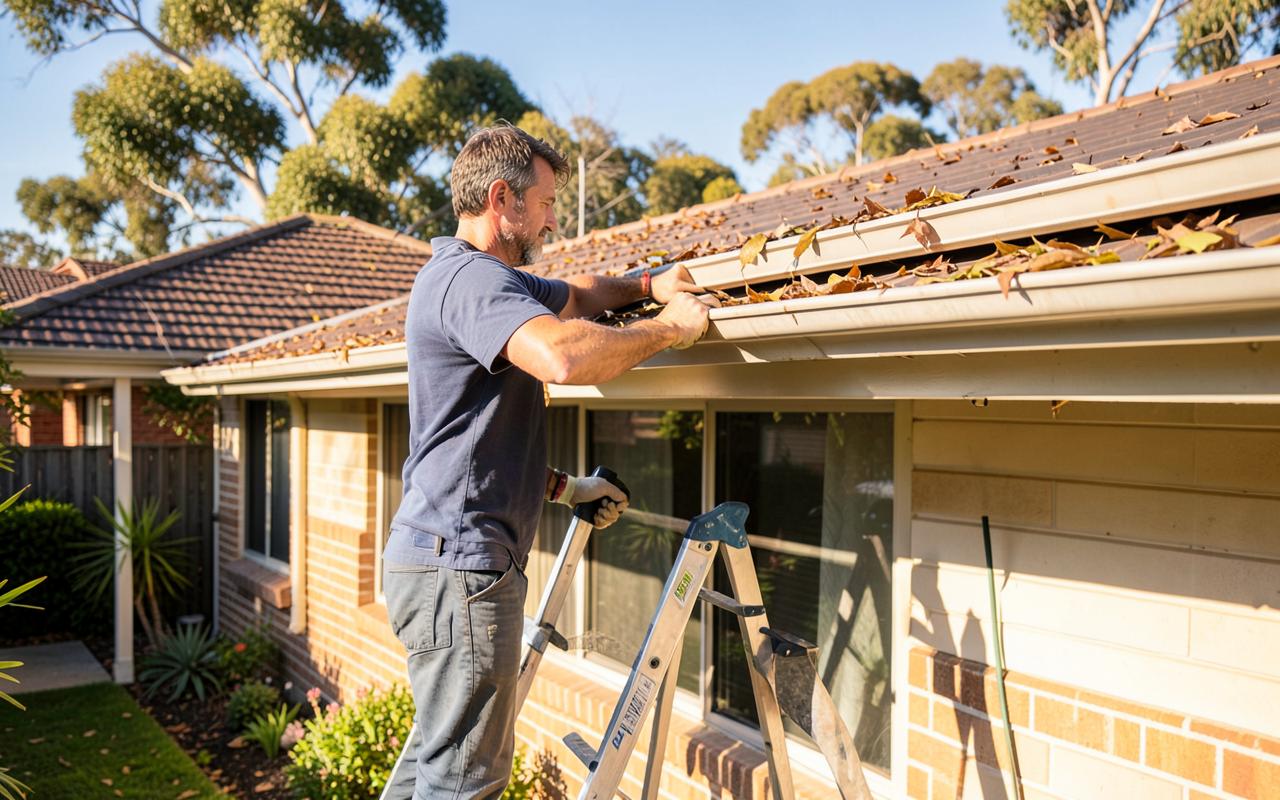
### 2. Clearing Gutters and Clearing Downpipes
Australia’s weather puts roof drainage to the ultimate test. Autumn leaves, dust, and debris settle into your gutters, and when a sudden downpour hits, blocked water has nowhere to go but up and over the back edge into your roof cavity.
Once water enters the roof, it ruins ceiling plasterboard, shorts electrical circuits, and creates a prime breeding ground for toxic roof mould. In dry months, dry leaf buildup turns into a major bushfire hazard.
* The Quick Fix: Check your gutter clips and downpipe brackets once a season. If you have any saggy spots, fasten them down so water will move toward the outlets.
* Where Cleaning Helps: Have your gutters flushed at least twice a year. A professional cleaning crew will remove the deep silt, leaves and mud, saving you from dangerous ladder work and ensuring heavy rain drains away instantly.
### 3. Fixing Dripping Taps and Constant Toilet Leaks
A tap dripping once every few seconds might sound like a mild annoyance, but it wastes over 12,000 litres of water a year. Worse yet, a toilet cistern that leaks continuously into the bowl wastes water while quietly wearing down internal valves.
Constant moisture around tap spindles and vanity bases slowly swells particleboard cabinetry, leading to warped drawers, ruined laminate, and rusted plumbing fixtures.
* The Quick Fix: Replace a worn rubber washer, jumper valve or internal toilet washer for a few bucks at the hardware store in less than 15 minutes.
* Where Cleaning Helps: Hard water minerals and limescale build up around tap aerators and showerheads, creating back-pressure which ruins internal washers. Regular scaling helps keep water flowing with the right pressure and protects your fittings.
### 4. Servicing Split-System Air Conditioning Units
Split-system units work overtime during Australian summers and winters. Over time, the internal mesh filters collect a thick layer of dust, pet hair, and airborne grime.
When airflow is restricted, the unit’s motor strain increases, driving up your power bill. More importantly, dust blocks the internal drain line. When condensation can't drain outside, it overflows indoors—running down your interior walls, bubbling the paint, and ruining the plaster.
* The Quick Fix: Inspect the external drain hose outside your home to ensure it’s clear of dirt, spiderwebs, or garden beds, and angled downward so water flows freely.
* Where Cleaning Helps: Pull out the mesh filters every month or two and rinse them under warm water. Pair this with a professional deep-clean once a year to wash the internal coils and barrel fan where dangerous mould and bacteria hide.
### 5. Sealing Exterior Cracks and Clearing Ground Drains
Notice small cracks in your outside brickwork, concrete paths, or foundation edge? In areas with expansive clay soils—common right across Australia—soil expands when wet and shrinks when dry.
When rainwater pools directly against your house footings due to blocked ground drains, the soil shifts unevenly. This movement causes doors to stick, plaster to crack, and in worst-case scenarios, leads to rising damp or foundation failure.
* The Quick Fix: Fill small exterior masonry gaps with a flexible exterior sealant to prevent driven rain from soaking into the wall cavity. Ensure downpipe runoff empties well away from the house slab.
* Where Cleaning Helps: Hose down and clear out outdoor surface grates, drain pits, and garden channels. Removing dead grass, dirt, and mud prevents severe pooling during heavy rain events.
### 6. Replacing Torn Window and Door Draft Seals
Weather-stripping takes a beating from heavy daily use and intense UV exposure. Once the rubber or felt seal disintegrates, wind-driven rain can seep under door sills and window frames, swelling your timber flooring and staining carpets.
* The Quick Fix: Peel away damaged strips and press on new adhesive-backed rubber or brush seals around door jams and window frames.
* Where Cleaning Helps: Dirt and fine grit in sliding door and window tracks act like sandpaper. Every time you open the door, that grit tears up the bottom rubber seal. Vacuuming out track grooves keeps seals intact for years longer.
### 7. Wiping Out Early Mould Before It Eats the Substrate
Because of high humidity in bathrooms and laundries, surface mould is a common battle. However, letting specks of black mould sit on plasterboard or timber sills allows fungal roots to digest the organic material beneath the paint.
Standard household bleach often just strips the color from mould without killing the root system on porous surfaces, meaning it comes back aggressive and hidden behind walls.
* The Quick Fix: Ensure exhaust fans are actually moving air properly. If an exhaust fan is clogged with heavy lint, it can't draw moisture out of the room.
* Where Cleaning Helps: Wipe down early surface spots using specialized tea tree oil or antimicrobial solutions designed to kill mould roots. A deep-cleaning team can sanitize ceiling spaces and high-moisture zones before fungal spores take over your home.
## Healthy Homes Built on Maintenance and Cleanliness
Protecting your home isn't about massive, expensive renovations—it's about staying ahead of the small stuff. Fixing a worn seal, a blocked drain or a replaced washer doesn’t take much time, but it protects your property value and saves you from massive repair bills later on.
Regular basic maintenance combined with professional deep cleaning means your home stays safe, functional and looking fresh for years to come.
## Need a Hand Keeping Your Home in Top Shape?
Don't wait for a small maintenance oversight to turn into a costly repair. Whether you need a deep seasonal clean, mould treatment, or gutter clearing, our team is here to help keep your property spotless and protected. Contact us today for a free quote!
Sponsored disclosure: This article was paid for or contributed by a third party. Views are the author’s own and don’t represent an endorsement by Happy House Guide.