
DIY vs. Professional Home Maintenance: When Should You Hire an Expert?
By Jug, Bond Cleaning Toowoomba·Sponsored
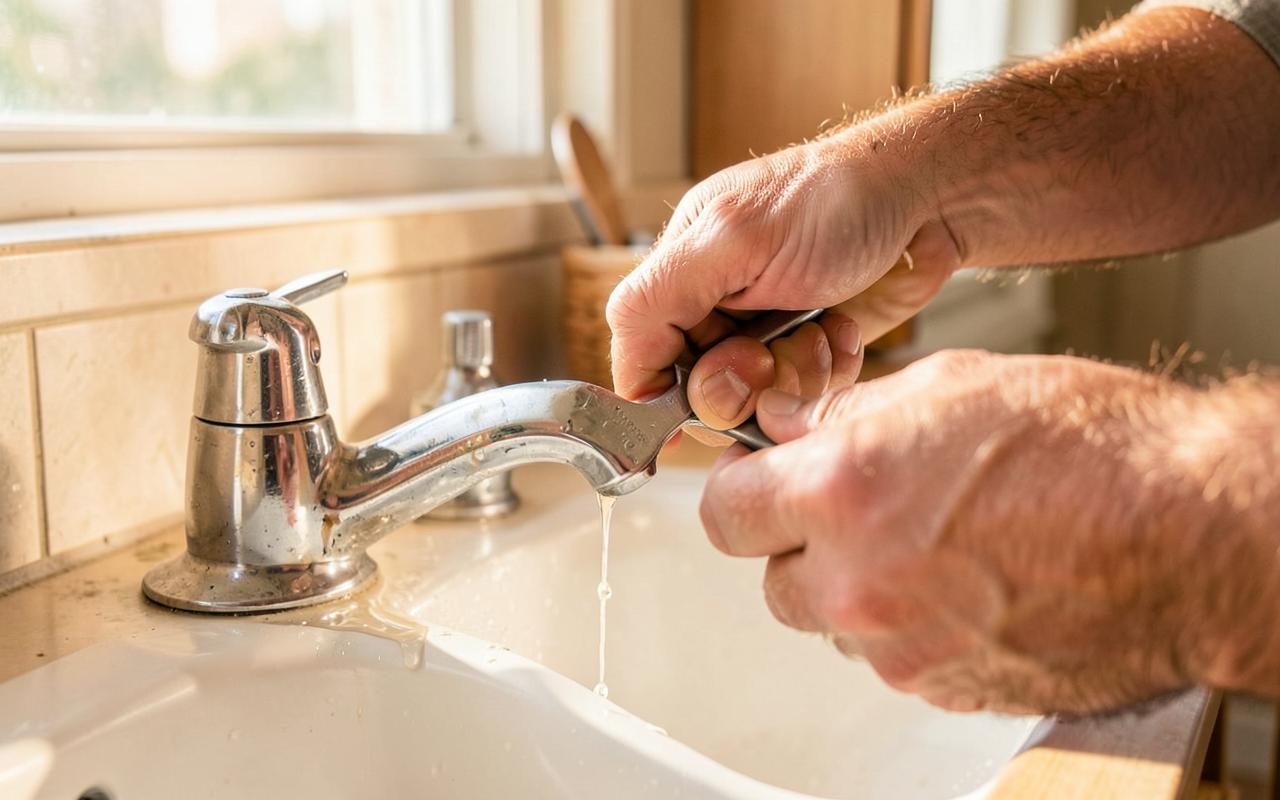
Every homeowner hits that moment: you’re staring at a job around the house, wondering whether to grab your toolkit and head to the hardware store, or just call someone in.
Doing it yourself feels rewarding, and saving a bit of cash is always nice. But choosing the wrong project to tackle on a Sunday afternoon can turn a minor fix into a costly repair. Knowing where your skills end and professional help begins is the best way to protect your weekends and your home's value.
## The Quick DIY Wins
Some maintenance jobs are straightforward, low-risk, and don't require hundreds of dollars in special equipment. If a project involves basic hand tools, minimal physical risk, and won't cause structural damage if you make a mistake, it’s a great candidate for DIY.
### Safe tasks to tackle yourself:
* Clearing hair from bathroom drain traps or using a hand plunger.
* Changing air conditioner filters every few months.
* Filling small nail holes in plasterboard and touching up wall paint.
* Sweeping timber decks, clearing garden paths, and washing ground-floor windows.
If you have the time and basic tools and a mistake only costs you an hour of rework rather than a plumber's call-out fee, go ahead and do it yourself.
## Where Legal Lines and Safety Limits Step In
Other jobs aren't just risky—tackling them yourself can actually be against the law. In Australia, regulated trades require licensed professionals for very good reasons: personal safety, property protection, and insurance coverage.
* Electrical Work: Changing a light bulb or plugging in an appliance is fine. However, wiring switches, installing light fittings, or touching your switchboard without an electrical license is illegal, creates serious fire hazards, and completely voids your home insurance policy.
* Plumbing & Gas: Replacing a tap washer or unblocking a sink is no problem, but a licensed plumber or gas fitter is needed to install new piping, repair main hot water units, or work on gas lines.
* Structural Changes: Knocking down walls, repairing load-bearing beams, or altering subflooring needs an experienced builder or structural engineer. A mistake here compromises the safety of your entire house.
* Roofing at Heights: Climbing onto a high roof to fix tiles or clean deep gutters is one of the most common ways homeowners end up in emergency rooms. Unless you have standard height-safety gear, leave roof work to specialists.
## How Deep Cleaning Saves You From Costly Repairs
People usually lump cleaning into the "everyday chores" pile rather than seeing it as actual home maintenance. But skipping deep cleaning is often what leads to expensive trade repairs down the track.
Dirt, soap scum, build-up, and hidden moisture slowly destroy the materials in your home long before you notice structural damage. Bringing in professional cleaners isn't just about making things look nice for the weekend—it’s preventative care for your property.
* Protecting Expensive Surfaces: Hard water stains, kitchen grease, and ground-in grit wear away at your tapware, tile grout, natural stone benchtops, and timber flooring like sandpaper. Regular professional deep cleans prevent permanent damage and delay expensive renovations.
* Spotting Problems Early: A reliable cleaner works up close with your shower screen, window frames, and kitchen cabinetry on a regular schedule. They're often the first people to notice early warning signs, like cracked silicone seals in shower bays or hidden mold behind laundry tubs, giving you time to fix them before timber rots out.
* Stopping Mold at the Source: Australian humidity makes bathrooms and window tracks primary targets for mold. Professional extraction tools destroy mold spores at the root, preserving your paintwork, plasterboard, and indoor air quality.
## A Practical Decision Framework
Before tearing into your next home project, ask yourself three quick questions:
Does this job require a license or involve working at heights? If it involves gas, mains wiring, structural support, or climbing high onto a roof, stop and call an expert.
Will buying the tools cost more than hiring someone? Buying a specialized tool you’ll use once every five years rarely makes financial sense.
What happens if this goes wrong? If making a mistake means wiping up a paint splash, do it yourself. If a mistake means thousands of dollars in water damage or a trip to the hospital, hand it over to a professional.
## Building the Ideal Home Care Strategy
The best way to keep your home in great shape without burning out is sharing the load between simple DIY tasks, professional cleaning services, and licensed trade visits.
* Your Weekly Role: Handle basic day-to-day upkeep—tidying clutter, wiping down kitchen benches after cooking, sweeping main pathways, and keeping bathroom sinks clear.
* Cleaning Team’s Role: Arrange a fortnightly or monthly professional clean to handle the heavy lifting. This involves scrubbing tile grout, degreasing oven interiors, deep-cleaning hard floors, and getting to high dust areas.
* The Trade Professional: Keep your major systems in check with annual appointments for split-system aircon servicing, gutter clear-outs, and routine plumbing checks.
## Things to Know Before Booking Any Services
Under Australian Consumer Law, if you pay for a service, you must receive it with reasonable care and skill. Here are the essentials to double-check before you let a trade contractor or cleaning company in your home:
* Public Liability Insurance: Get covered with an insurance policy if something gets broken or damaged without your knowledge.
* Vetted Staff: Your technicians and cleaners are fully police-checked. Giving you total peace of mind while they work in your home.
* Clear, Upfront Pricing: Look for clear fixed pricing, no hidden admin fees, and no hard-sell long-term contracts.
* Workplace Guarantees: Choose local businesses that stand behind their work and will quickly come back to fix anything that wasn't done properly the first time.
## The Last Word
Simple DIY projects are a great way to make you feel proud of your place and cut down on day-to-day costs. But knowing when to outsource high-risk repairs to licensed tradespeople—and routine deep cleaning to reliable professionals—saves you time, prevents costly mistakes, and keeps your property in peak condition year after year.
Sponsored disclosure: This article was paid for or contributed by a third party. Views are the author’s own and don’t represent an endorsement by Happy House Guide.