
How Much Does a Property Renovation Really Cost in Australia?
By Aman, Bond Cleaners Newcastle·
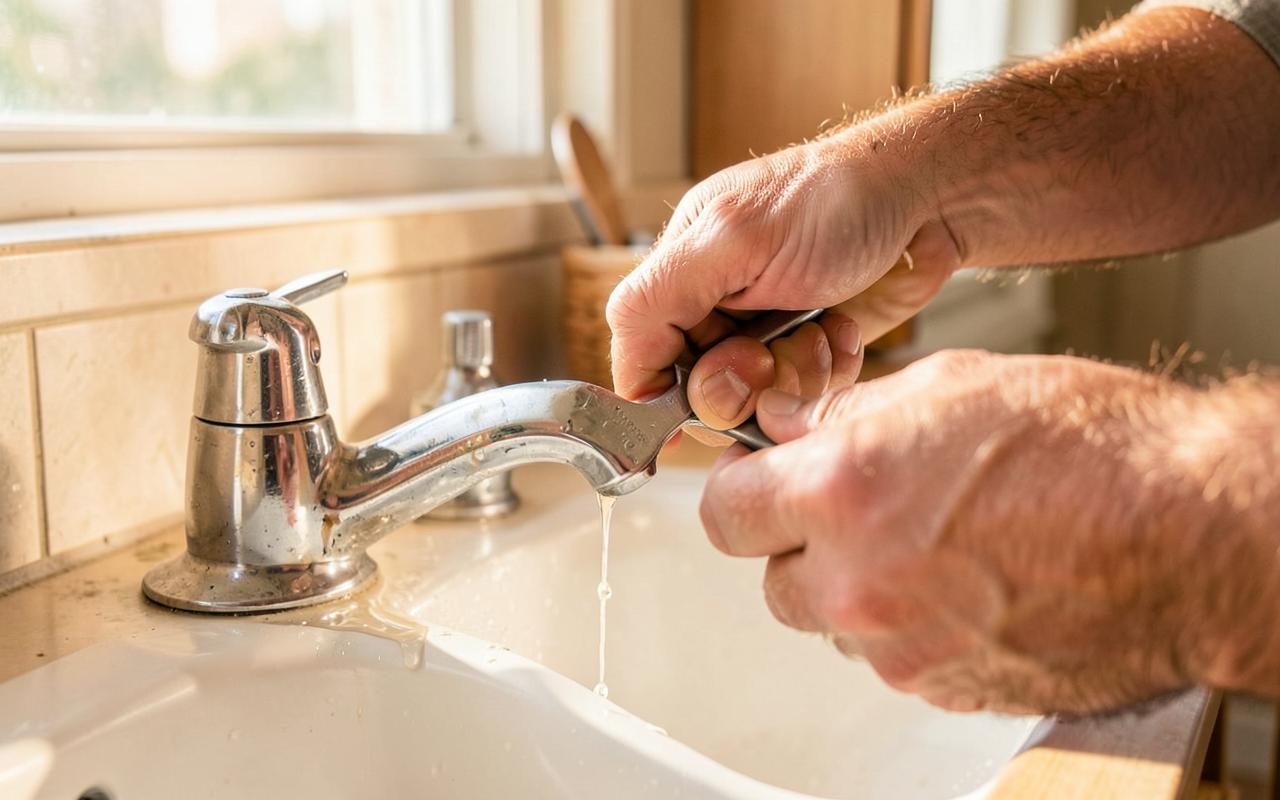
So, you’re thinking about renovating. Whether you want to fix up a tired family home, add value to an investment property, or get a place ready to flip, the big question on everyone’s mind is always the same: What is this actually going to cost me?
With trade shortages, material price spikes, and evolving building standards over the last couple of years, estimating a budget isn't as straightforward as watching a weekend home improvement show. If you don't map out your costs early, a $50,000 project can easily spiral into a six-figure headache.
Here is a realistic look at what property renovations actually cost right now, the hidden expenses that catch people off guard, and the final step almost everyone forgets to budget for.
## The Big Picture: Cost Per Square Metre
If you are looking for a quick, high-level estimate, most standard internal renovations in Australia run between $3,000 and $5,000 per square metre for mid-range finishes.
To give you a better idea of total spend based on project size:
* Cosmetic Makeovers ($20,000 – $80,000): Painting walls, sanding timber floors, swapping light switches, replacing kitchen cabinet doors, or upgrading tapware.
* Full Internal Overhauls ($80,000 – $300,000): Stripping out and replacing kitchens and bathrooms, re-wiring the electrical board, running new plumbing, and taking down non-load-bearing walls.
* Major Structural Additions ($150,000 – $500,000+): Extending the ground floor, putting on a second storey, or knocking out major load-bearing walls to create open-plan living.
## Room-by-Room Reality Check
Not all square metres are created equal. Wet areas like kitchens and bathrooms cost far more per metre than bedrooms because they require multiple specialised trades in a tiny space.
### The Kitchen ($20,000 – $65,000+)
The kitchen is usually the heart of the renovation because it adds the most immediate lifestyle and resale value.
* Budget ($20,000 – $35,000): To keep costs down, use flat-pack or modular cabinets, laminate or engineered benchtops and leave the sink, dishwasher and stove where they are.
* Mid-to-High End ($35,000 – $65,000+): Custom joinery, stone or porcelain benchtops, integrated high-end appliances, and knocking down walls to move the plumbing or gas lines elsewhere.
### The Bathroom ($15,000 – $45,000)
Bathrooms are deceptively expensive because of strict Australian waterproofing rules (AS 3740) and trade-heavy work.
* Simple Refresh ($15,000 – $25,000): Keeping the current floor layout, changing the vanity and tapware, putting in a new shower screen, and tiling over existing surfaces.
* Complete Gut & Rebuild ($25,000 – $45,000): Stripping down to the wall studs, laying fresh waterproofing, retiling floor-to-ceiling, and moving floor wastes or plumbing lines.
### Bedrooms & Living Rooms ($5,000 – $20,000 per room)
These areas are mostly cosmetic, which keeps prices predictable. Most of your budget here goes toward new timber or hybrid flooring, built-in wardrobes, patching drywall, and a fresh coat of paint.
## Hidden Costs Most People Forget to Budget For
When people overspend, it’s rarely because tiles were slightly more expensive than planned. It’s usually because they forgot about the behind-the-scenes fees.
* Council Approvals & Certifiers: Development Applications (DA) or Complying Development Certificates (CDC) usually cost between $1,500 and $5,000.
* Engineers & Plans: Draftspeople, soil testers, and structural engineers will set you back another $3,000 to $7,000.
* Asbestos Removal: If your home was built before 1990, there’s a strong chance you’ll find asbestos behind bathroom tiles or lining under eaves. Safe testing and professional removal usually costs $1,500 to $5,000+.
* Waste Removal: Skip bins, temporary site fencing, and tipping fees quickly add up to $2,000–$4,000.
* A Quick Rule of Thumb: Always keep an uncommitted 10% to 15% emergency buffer in your bank account. You never know what old plumbing or dangerous wiring you'll find once walls are opened up.
## The Overlooked Final Phase: Post-Renovation Cleaning
Once the trades wrap up and collect their final checks, there is still one major obstacle before you can actually move in: the mess.
A lot of first-time renovators assume builders leave the house spotless. In reality, standard builder contracts only require them to leave the site "broom clean." That means they will haul away spare timbers and give the floor a rough sweep, but they won't clean off the thick layer of fine construction dust covering every surface.
Demolition and construction dust isn't regular dust. It's packed with microscopic concrete, timber, drywall, and silica particles. It gets into air conditioning vents, clings to cabinet tracks, coats window sills, and leaves a chalky haze on fresh tiles.
## Why You Need a Dedicated Builders Clean
Trying to tackle this yourself with a standard home vacuum cleaner usually ends with a burnt-out vacuum motor, scratched window glass, and dust blowing right back out of your air vents.
Allocating $600 to $1,800 in your initial budget for a professional post-renovation clean is well worth it:
* Protecting Fresh Finishes: Professional cleaning crews use specialised scrapers, microfibre tools, and neutralisers that remove silicone, paint splatters, and tile haze without scratching your brand-new fixtures.
* Air Quality: Deep cleaning the exhaust fans, return vents, and duct openings stops fine construction dust from circulating through your home the moment you turn on the air conditioner.
* Catching Defects: A clean home makes it much easier to spot minor scratches, missed paint spots, or trade defects before you sign off on the builder's final invoice.
## How to Protect Yourself Under Australian Law
Protect yourself and your wallet before you hire someone by keeping these basic legal rules in mind:
* Warranties and Licensing: If you are doing major structural work or building a residence that exceeds state thresholds (e.g. $12,000 in NSW or $10,000 in VIC), your builder must hold a full licence and have mandatory Home Building Compensation Cover / Warranty Insurance.
* Consumer Guarantees: All trade work and cleaning services are automatically covered by legal guarantees under Australian Consumer Law (ACL) that work will be performed with due care and skill, fit for purpose and completed within a reasonable time.
* Fair pay: If you use an external cleaning or maintenance company, make sure they employ their staff under compliant Workplace Health and Safety (WHS) legislation and are paying the standard award rate (for example the Cleaning Services Award).
## How to Keep Your Project Under Control
If you want to save money without sacrificing quality, follow these four easy steps:
* Don't move the plumbing: Keep the toilets, sinks and shower drains where they are. Moving wet area layouts can add $5,000+ in trade labour alone per room.
* Get fixed-price quotes: Avoid "time and material" arrangements where possible. Get a detailed written agreement specifying the exact fixtures, brands, and scope of work before work starts.
* Break it into stages: If money is tight, do the internal living areas first, the wet areas second, and leave the landscaping for next year.
* Book your final clean early: Schedule your post-renovation cleaners a few days before your builder hands over the keys. It gives you a pristine home to inspect so you can catch any issues before making your final payment.
Renovating doesn't have to be a financial nightmare. By budgeting for trades, council fees, hidden surprises, and a solid post-construction clean, you can bring your project in on time, on budget, and ready to enjoy.