
Moving House Survival Guide: The Ultimate Room-by-Room Packing Plan
By Sameer, Bond Cleaning Sunshine Coast·Sponsored
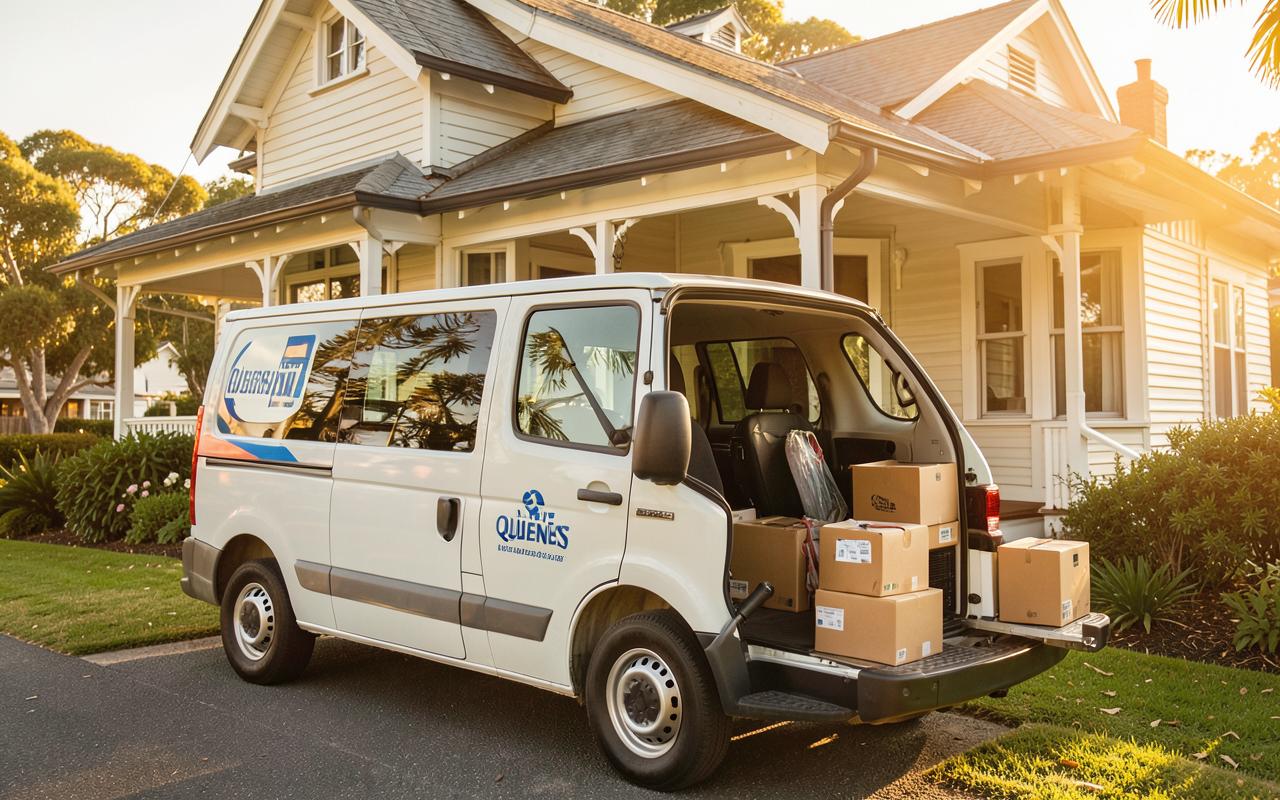
Let’s be honest: packing up a house is exhausting. Between juggling work, calling utility companies, and trying to figure out where you put the packing tape, it takes about two days before your living room looks like a cardboard bomb went off.
The secret to keeping your sanity isn't staying up until 2 AM every night. It’s tackling one room at a time, in a very specific order. Doing this keeps the mess contained, stops you from packing things you actually need tomorrow, and clears the floor so your end-of-lease cleaners can actually do their job properly.
## Step 1: Get Rid of Your Extra Stuff First
Before tape touches a single box, walk through your house with a brutal mindset. Under Australian tenancy rules and removalist pricing, every single box costs you real money and effort to move. If you haven't used an item in the past year, it doesn't get to come to the new place.
* Sell it: Get working appliances, old golf clubs, or spare furniture onto local buying groups three to four weeks before move-out day.
* Donate it: Drop clean clothes and duplicate kitchen gear off at your local op shop.
* Toss it responsibly: Take old paint, dead batteries, and worn-out electronics to your council’s waste collection point. Removalists won't carry hazardous chemicals anyway.
## 2. The Room-by-Room Breakdown
If you try to pack a little bit of every room at once, you’ll end up with open boxes everywhere and nowhere to sit. Start in the areas you use the least and save the kitchen for last.
### 1. Garage, Shed, and Spare Room (4 Weeks Out)
Nobody needs their lawnmower or guest bed linens during the weeks leading up to a move. Start here to get easy wins.
* Outdoor Gear & Tools: Drain the petrol and oil out of your lawnmower and weed whacker. Removalists legally cannot transport flammable fuels in their trucks under Australian road transport safety rules. Throw small tools, screws, and hardware into sturdy plastic tubs so they don't poke through cardboard.
* Guest Rooms: Pack up spare pillows, winter quilts, and extra sheets. Squeeze them into vacuum bags to save massive amounts of room in your boxes.
### 2. Home Office and Main Living Area (3 Weeks Out)
These spaces take longer than you think because of tangled cables, books, and odd-shaped decor.
* TVs and Tech: Snap a quick photo of the back of your TV and Wi-Fi setup before unplugging anything. You’ll thank yourself when setting it up late at night in the new place. Pack TVs upright in dedicated boxes—never flat on their screens.
* Books and Heavy Items: Use small boxes for heavy things like hardcovers and files. Big boxes filled with heavy books will rip right through the bottom when you lift them. Keep your passport, birth certificates, and lease documents in a private folder that stays with you in your car.
### 3. Bedrooms and Wardrobes (2 Weeks Out)
You only need about a week's worth of clothes right now. Everything else can go into boxes.
* Wardrobes: Leave hanging clothes on their hangers. Group them in bunches of ten, pull a heavy-duty bin bag up from the bottom, and tie the handles around the top of the hangers. They go straight from your old wardrobe into the truck, then straight into your new wardrobe.
* Jewelry and Cash: Put your watches, family heirlooms, and small valuables into a small bag. Don't put this on the moving truck—keep it in your handbag or glove box.
### 4. Bathroom and Laundry (1 Week Out)
Liquid leaks ruin cardboard boxes faster than anything else.
* Toiletries: Take the caps off half-used shampoo and detergent bottles, cover the opening with plastic cling wrap, and screw the caps back on. Store them right-side up in plastic storage containers rather than cardboard boxes.
* Towels: Leave out two towels per person for move week. Pack the rest of the bath sheets, hand towels, and bath mats away.
### 5. Kitchen and Pantry (3 Days Out)
Save the kitchen for the final countdown because you need it every single day.
* Plates and Glassware: Stand plates vertically on their edges inside bubble-wrapped boxes. They are much stronger on their edges than stacked flat on top of each other. Wrap glasses in plain butcher’s paper—using old newspapers leaves black ink prints all over your glassware that you'll have to wash off later.
* The Fridge: Stop buying fresh groceries two weeks ahead. Eat down your freezer and pantry so you aren't throwing away good food on move-out morning.
## 3. Why Your Packing Plan Matters for the Cleaning Team
If you're renting, getting your bond back usually hinges on a spotless end-of-lease clean. State tenancy laws in NSW, Victoria, Queensland, and across Australia require tenants to leave a property "reasonably clean" compared to their original condition report.
Trying to clean around piles of half-packed boxes is a nightmare. Dirt settles on freshly scrubbed surfaces every time a box gets dragged across a room.
### Here is how your packing schedule helps your cleaning service do a fantastic job:
* Clear Work Areas: Cleaners need full access to skirting boards, window tracks, internal wardrobes, and carpeted corners. Emptying rooms lets them work twice as fast.
* Focusing on Heavy-Duty Spots: When cleaner technicians aren't tripping over stray boxes, they can spend their time scrubbing oven grease, removing shower limescale, and steam-cleaning carpets to property manager standards.
* Better Results: Scheduling your packing so rooms are totally clear 24 hours before key handover gives your cleaning team the space they need to guarantee bond recovery.
## 4. The "First Night" Essentials Box
Whatever you do, don't load this box onto the back of the moving truck. Pack a separate overnight bag and keep it in your personal car so you aren't digging through 40 identical boxes looking for a toothbrush at 10 PM.
* Key Items: Toilet paper, hand soap, basic toiletries, and prescription meds.
* Bedding: One set of bed sheets and pillows for every family member.
* Tech: Phone chargers, laptops, and extension cords.
* Breaks: Kettle, coffee, tea, mugs, and a pair of scissors to open boxes tomorrow.
## 5. Moving Day Wrap-Up
1. Double-check labels: Make sure every sealed box clearly states which room it belongs in at the new address.
2. Read the meters: Take clear photos of your gas, electricity, and water meters before you lock the door.
3. Hand over to the cleaners: Let your move-out cleaning team step into a completely clear house while you drive to your new home.
4. Final Check: Walk back through the empty rooms with your original inspection report, check that windows are locked and light switches work, and hand the keys back with confidence.
Sponsored disclosure: This article was paid for or contributed by a third party. Views are the author’s own and don’t represent an endorsement by Happy House Guide.