
Smart Property Decisions: How to Evaluate Real Value Before Making an Offer
By Aman, Bond Cleaners Sydney·Sponsored
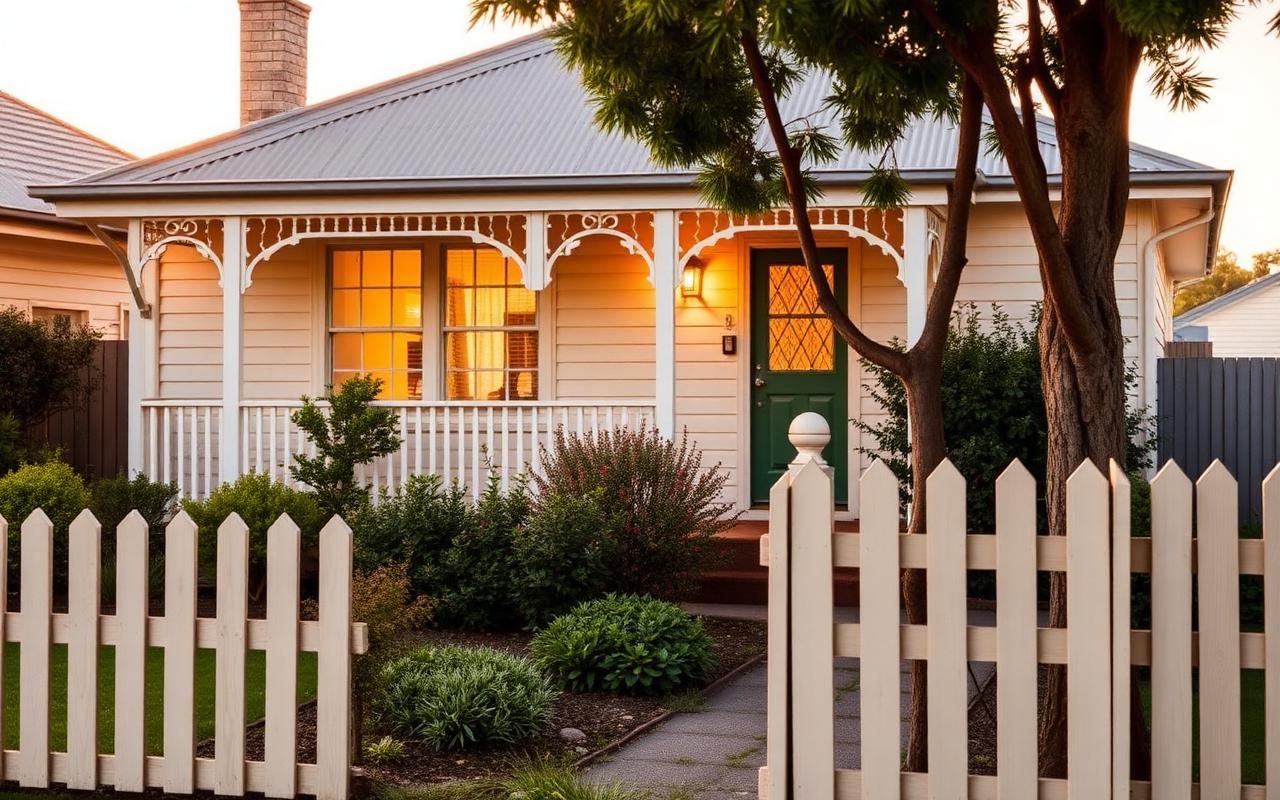
Every weekend across Australia, thousands of buyers walk through open homes, look at the fresh styling, smell the scented candles, and start imagining their lives there. It’s an easy trap to fall into. But if you want to avoid overpaying or landing yourself with a money pit, you have to separate what a home looks like on Saturday morning from what it’s actually worth.
Evaluating real property value isn't about guessing what the seller wants or matching the asking price. It’s about looking at raw sales data, spotting the difference between cosmetic dirt and structural defects, and knowing what it actually costs to hold the asset long-term.
Here is how experienced buyers figure out what a property is really worth before putting pen to paper.
## Ignore the Asking Price—Look at Settled Sales
The asking price on a portal is simply a wish list. It tells you what the seller hopes to get, not what the market is willing to pay.
Instead of anchoring your offer to the listing price, pull up recent settled sales from the last three to six months within a one-kilometer radius. Focus on properties with similar land sizes, bed and bath counts, and layout quality. Settled sales give you the hard market floor.
Keep an eye on how long the house has been on the market, too. If the suburb average is 28 days and this house has been sitting for 60, you’re looking at a motivated seller or an overpriced property—both of which give you room to negotiate.
## Learn to Spot the "Staging Illusion"
Real estate agents know that emotion sells houses. Professional styling, strategic furniture placement, and high-end presentation can easily artificially inflate a home’s perceived value by 5% to 10%. Buyers end up paying a massive premium simply because the place feels warm and modern.
Your job during an inspection is to look past the velvet cushions and see the building envelope:
* Natural Light and Layout: You can change carpet and paint, but you can’t easily move structural walls or change orientation.
* Storage and Flow: Does the floor plan actually work for daily living, or is tiny furniture making rooms look bigger than they are?
* Subtle Red Flags: Look for freshly painted spots on ceilings that might hide water leaks or heavy air fresheners masking damp or mold issues.
## The Hidden Bargain: Finding Value in Neglected Properties
Over-styled homes sell for top dollar, and homes that are visually neglected do just the opposite. They scare off the emotional buyers who cannot see past dirty grout, stained carpets, overgrown gardens, or grime-covered facades.
This is where smart buyers find real equity.
If a building inspection confirms the structure, roof, and foundations are rock-solid, cosmetic neglect becomes your best leverage. A house that looks tired might sell for $30,000 below market value because buyers think it needs a complete overhaul.
In reality, bringing that property back to life usually doesn't require a $50,000 renovation. Getting professional carpet steam cleaners in, high-pressure washing the driveways and external brickwork, and doing an intensive end-of-lease-style deep clean on the kitchen and wet areas often restores 90% of the home's appeal for a tiny fraction of the discount you negotiated.
Calculate those basic cleanup costs upfront, deduct them from your initial offer, and use the seller’s lack of presentation effort to secure a better buy.
## Get Independent Inspections and Check the Contract
Never rely on the vendor’s enthusiasm or verbal assurances. Under Australian property laws, the onus of physical due diligence falls squarely on the buyer.
Before going unconditional or bidding at auction, get a licensed building and pest inspector on-site. Termites cause millions of dollars in damage across Australia every year, and structural movement or poor roof drainage can drain your bank account overnight.
Simultaneously, send the contract of sale (or Section 32 in Victoria) to your conveyancer or lawyer. You need to know if there are easements running through the backyard, strict heritage overlays, bushfire (BAL) ratings, or council planning restrictions that limit what you can build or extend in the future. If you are buying a strata unit, review the body corporate meeting minutes to ensure there aren't massive special levies planned for building repairs down the track.
## Calculate the “Real” Price Tag
You don't just pay your purchase price. Before you accept an offer, work out the true cost of getting into the property and holding it:
* Stamp Duty & State Fees: Transfer duty varies from state to state, but it is always a high upfront cost that you need to clear with cash.
* Immediate Repairs and Upkeep: Include immediate needs such as fixing roof tiles, safety upgrades, and deep sanitization before move-in.
* Ongoing holding costs: Think council rates, water fees, strata levies, and an annual maintenance fund (about 1% of the property value) for ongoing maintenance such as gutter clearing, washing the exterior, etc., to preserve the building structure in the long run.
## Summary
The secret to making a smart offer on a property is to take out emotion. When you analyze a property with hard sales data, adjust for any necessary presentation adjustments, and have the physical structure inspected by professionals, you take the guessing out of the equation and negotiate from a position of strength.
Sponsored disclosure: This article was paid for or contributed by a third party. Views are the author’s own and don’t represent an endorsement by Happy House Guide.