
The 20-Minute Spring Cleaning Method: What Pros Clean (And What They Ignore)
By Kam, Lease Clean Adelaide·Sponsored
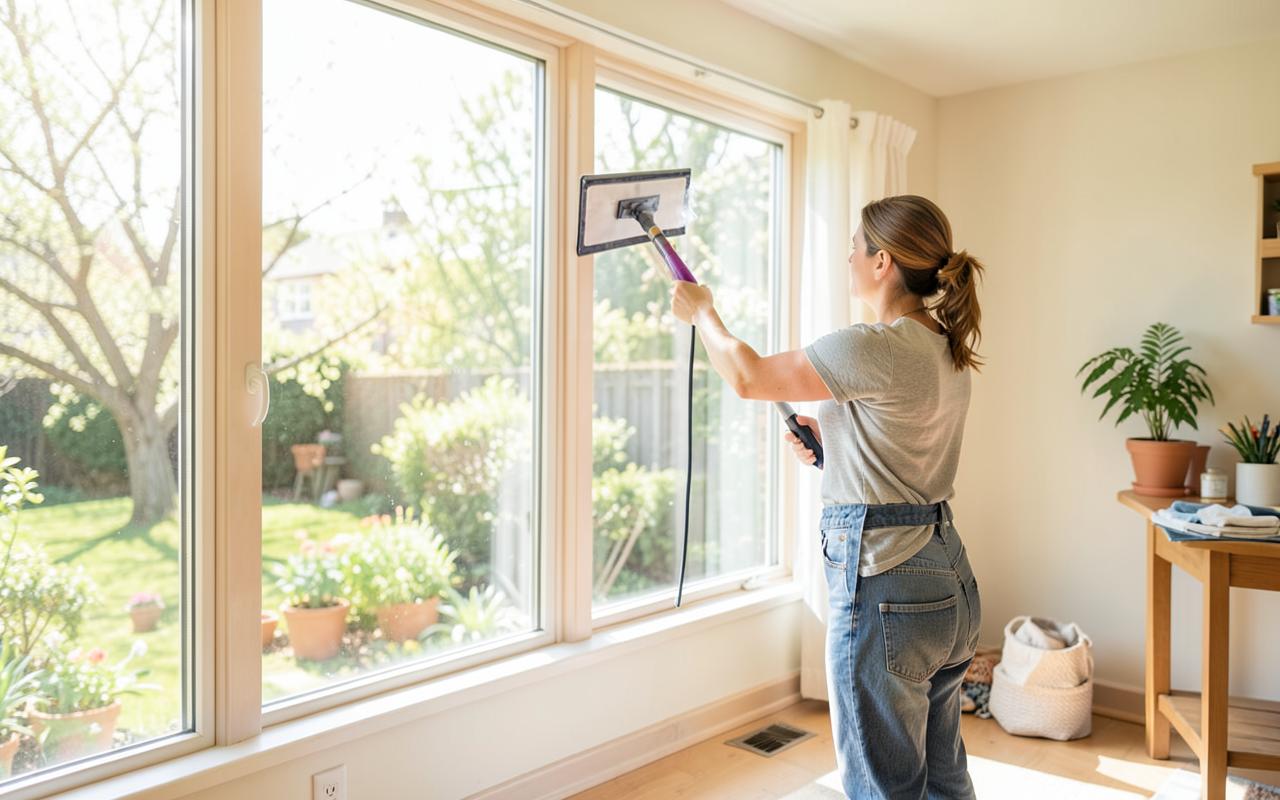
If your idea of spring cleaning involves spending an entire Saturday exhausting yourself, moving heavy wardrobes, and scrubbing skirting boards with an old toothbrush, you’re doing it the hard way.
Most people start spring cleaning with high energy, get bogged down in a corner for two hours, get overwhelmed, and give up before they even touch the main living spaces.
Professional cleaners don't work like that. They don't have time to get stuck in the weeds. Instead, they focus on high-impact areas that immediately change how a room looks and feels, while deliberately ignoring the low-priority stuff until later.
If you want a fresh, clean house without burning out, here is how to use the 20-Minute Method to get maximum results with minimum stress.
## The Secret: Prioritise High-Impact Zones
The core idea is simple: spend 20 focused minutes a day hitting the areas that accumulate the most germs, dust, and visual clutter.
Instead of trying to deep-clean every single surface, split your house into High-Impact Essentials and Things You Can Skip.
## What to Focus On First
When you only have 20 minutes, focus on the spots that make the biggest difference right away.
### 1. High-Touch Spots
These are the surfaces everyone touches every day, but almost everyone forgets to wipe down during regular tidying:
* Door handles and light switches: They carry the most oils and daily grime. A fast wipe with a damp cloth instantly brightens walls and lifts grease.
* Cabinet hardware: Kitchen and bathroom handles collect steam, oil, and food splatters daily.
### 2. Flat Surfaces
Clutter on flat surfaces tricks your brain into thinking a room is messy, even if the floors are spotless.
* Kitchen benches: Clear off everything that doesn't need to stay out permanently.
* Coffee tables and entry tables: Hide away junk mail, loose keys, and miscellaneous knick-knacks.
### 3. Glass & Reflection Lines
Smudges on glass immediately draw the eye and catch light.
* Bathroom mirrors: A quick pass with a microfiber cloth takes 30 seconds and completely changes the room.
* Appliance fronts: Wipe down fingerprints from the fridge door, microwave, and oven handles.
## What You Should Ignore (For Now)
Knowing what to skip is just as important as knowing what to clean. Stop wasting your 20 minutes on these low-priority tasks:
* Behind heavy furniture or appliances: Unless you're moving out or trying to retrieve a lost shoe, pulling out the fridge or couch isn't worth the effort on a daily or weekly reset.
* Inside drawers: Reorganizing your cutlery drawer or junk drawer is decluttering, not cleaning. Keep those sessions separate so you don't lose momentum.
* Ceiling fan tops: Unless dust is actively falling off them, leave high overhead spots for dedicated deep-maintenance days.
* Scrubbing tile grout with a toothbrush: Deep grout cleaning takes hours for minimal fast visual payoff. Focus on open, broad surfaces instead.
## The 20-Minute Daily Breakdown
Pick one room per day, set a timer on your phone for 20 minutes, turn off your notifications, and follow this quick flow:
* Minutes 0–5: Clear flat surfaces and put items away.
* Minutes 5–12: Wipe down high-touch spots, benches, and eye-level glass.
* Minutes 12–18: Sweep or vacuum high-traffic pathways.
* Minutes 18–20: Empty the bin, wipe the sink, and walk away.
### Day 1: The Kitchen
Clear the main benches, wipe down the counter space, clean the sink basin, and quickly sweep in front of the stove. Empty the bin and move on.
### Day 2: The Living Room
Grab a basket, throw in loose clutter (shoes, remotes, mail), and put things back in their rooms. Wipe down the coffee table and TV unit, vacuum the main floor path, and fluff the cushions.
### Day 3: The Bathroom
Clear the vanity, spray and wipe the mirror and basin, wipe down the toilet, mop the middle of the floor, and put out fresh hand towels.
## Simple Gear & Safety Notes
You don't need a cupboard full of expensive chemicals to keep a house clean. A few basic tools do 90% of the work:
* Microfiber cloths: Keep separate colors for the bathroom and kitchen so you aren't transferring germs.
* A gentle multi-surface spray: A basic, pH-neutral spray works on timber, stone, and laminates without stripping protective coatings.
* A spray mop: Much faster to grab and use for a quick 5-minute floor pass than dragging out a bucket.
* Safety note: Always read the instructions on the label of commercial cleaning products before using them, and make sure your home is well ventilated when cleaning. Under Australian Consumer Law, manufacturers have to provide clear safety advice. Always follow warnings on labels, especially when mixing products or working around children and pets. Use natural options such as vinegar, and avoid natural stone such as marble or granite, as the acid can etch the surface.
## The Take-Out
Cleaning shouldn't be a sentence. So, you do a 20-minute routine every day, you don't beat yourself up about dust you can't see, and your house stays comfortable, sanitary, and manageable all year long.
Sponsored disclosure: This article was paid for or contributed by a third party. Views are the author’s own and don’t represent an endorsement by Happy House Guide.