
The Complete End-of-Lease Cleaning Protocol: Pass Your Exit Inspection First Time
By Kam, Bond Cleaners Ipswich·Sponsored
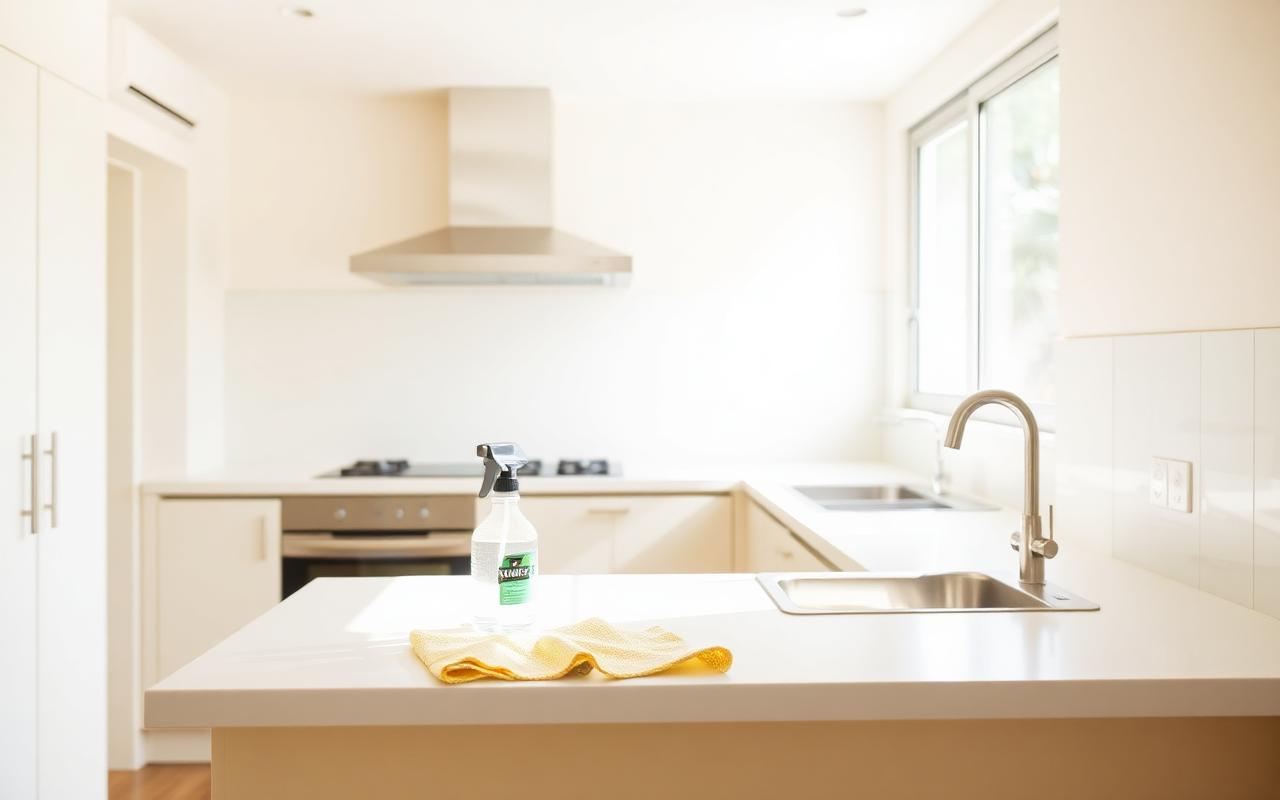
Leaving a rental property spotless isn’t just about getting your money back—it’s about closing one chapter smoothly so you can focus on moving into your next place without a lingering headache. If you’ve ever handed back the keys to a rental, you know the stress: you think you’ve cleaned every inch, only to get an email from the property manager pointing out grease on top of the rangehood or dust inside the window tracks.
In Australia, state tenancy laws (like the Residential Tenancy Acts across NSW, VIC, QLD, and other states) require tenants to leave the home in a "reasonably clean" state, matching the original condition report, minus fair wear and tear. But "reasonably clean" to a tired tenant packing up boxes often means something very different to a real estate agent holding an official exit checklist.
If you’re tackling the job yourself, breaking the property down systematically is the best way to get through it without burning out.
## 1. The Kitchen: Where Agents Look First
Property managers spend more time in the kitchen than almost anywhere else. Built-up grease and burnt food residues are the top reasons tenants get asked to go back and clean again.
* The Oven & Range Hood: This is usually the hardest part of the job. Pull out the oven racks and trays and let them soak in hot water with a strong grease remover. Scrub down the interior walls and the inside of the oven glass door. For the rangehood, pop out the mesh filter grilles—soaking them in boiling water mixed with dish soap or degreaser is the fastest way to break down sticky oil build-up. Wipe down the metal housing above the stove, too.
* Stovetop & Knobs: Scrub away any burnt food rings around the burners. Don’t forget to pull off the control knobs if they come loose; dirt and grease love to hide underneath them.
* Cabinets & Drawers: Empty everything out, then use a vacuum hose attachment to clear crumbs and dust from the back corners of every cupboard. Finish by wiping down the shelf surfaces and wiping off finger marks on the outside handles.
* Sinks & Appliances: Remove pop-up plugs and drain basket. Polish stainless steel sinks with a microfiber cloth to avoid water marks. If you have built-in appliances, such as a dishwasher, clear out the filter at the bottom and wipe down the rubber door seals.
## 2. Bathrooms & Laundry – Managing Moisture and Soap Scum
The agents inspect the bathrooms for soap scum, limescale, and any indications of mold growth in the grout.
* Toilets: Clean the entire fixture, not just the inside of the bowl. Wipe down the flush button, the top of the cistern, the seat hinges, the outer porcelain base, and the floor space hidden directly behind the toilet pan.
* Shower Screens & Tiles: Hard water marks on glass shower doors can be difficult to remove. Use a scale remover specialized to remove the cloudy build-up and leave the glass crystal clear, or a cleaner based on vinegar. Use a stiff brush to scrub the grout lines in the tile to remove any orange water stains or dark mold spots.
* Exhaust Fans & Mirrors: Bathroom fan covers pull up a lot of dust mixed with steam and moisture. Unclip the plastic grille covers, wash them in warm soapy water, and wipe the dust off the fan blades before putting the cover back on. For mirrors, use a glass cleaner and a fresh cloth to make sure there are no streak marks left under bright lighting.
## 3. Living Areas & Bedrooms: Catching the Fine Details
Once all your furniture and rugs are cleared out, natural light hits empty walls and floors, making every little mark stand out.
* Walls & Doors: You don’t need to repaint the house, but you should spot-clean noticeable scuffs. A damp microfibre cloth or a magic eraser sponge works wonders on dark marks around light switches, doorframes, and power points where hands naturally touch.
* Skirting Boards & Blinds: Dust settles along the top edge of skirting boards throughout the house. Run a vacuum brush attachment over them to clear it quickly. For blinds, dust each slat individually—whether they are timber, metal, or fabric.
* Windows & Tracks: Wash the interior window glass until it's clear. The biggest trap here is the window tracks at the bottom: vacuum out the dead bugs and dirt, then use an old toothbrush or damp cloth to wipe out the narrow corners.
## 4. Floors & Outdoor Spaces
Flooring is your last step before locking up for the final time.
* Carpets: Give every room a slow, thorough vacuuming, going right up to the edges of the skirting boards. If you had pets approved on your lease, check your contract—most agreements legally require you to provide a receipt for professional carpet steam cleaning when you hand over the keys.
* Hard Floors: Sweep up all loose grit first before mopping tile, timber, or vinyl floors.
* Garages & Patios: Sweep out garage floors, clear spiderwebs from outdoor eaves, and scrub any fresh oil drips off the driveway concrete.
## Spots People Easily Forget
When you're exhausted from packing, it’s easy to overlook high or hidden spots. Property inspectors know this and check these places first:
* Top edges of door frames, picture rails, and ceiling fan blades.
* Gunk trapped inside the rubber door folds of front-loading washing machines.
* Dead insects sitting inside ceiling light covers or oyster light fittings.
* Drainage grates in the shower or outdoor areas blocked by hair or dead leaves.
## Doing It Yourself vs. Booking a Professional Clean
Choosing whether to do the end-of-lease clean yourself comes down to your budget, time, and how much physical energy you have left.
Cleaning a whole rental property to real estate standards usually takes two people a full day (or a weekend) of intense scrubbing with specialized supplies. The main risk with DIY is time: if the agent spots missed areas during their walkthrough, you’ll usually have a short 24-to-48-hour window to go back and fix them yourself—right when you're trying to unpack at your new home.
Hiring a dedicated bond cleaning team means handing that physical workload over to people who deal with real estate checklists every day. Professional teams bring industrial gear (like heavy-duty carpet steam extractors) and know exactly what local property managers are looking for.
## Hand Over Your Keys Without the Worry
Moving house is tiring enough without having to spend your entire weekend on your hands and knees scrubbing baseboards and ovens.
If you’d rather skip the heavy lifting and make sure your exit inspection goes smoothly, our experienced team is here to help. We offer complete, detailed end-of-lease cleaning services designed specifically to meet local property management expectations.
* Real Estate Specific: We clean with detailed inspection checklists, so no detail is missed.
* One-Stop Service: We do all of your house cleaning in one visit, from oven-heavy degreasing to steam carpet cleaning.
* Save Your Energy: Take some time to get comfortable in your new home while we do all the dirty work behind you.
Want to save time and save your bond? Give us a call today for a fast and easy bond cleaning quote!
Sponsored disclosure: This article was paid for or contributed by a third party. Views are the author’s own and don’t represent an endorsement by Happy House Guide.